
Composite Bonding vs Veneers: Which Is Best for Your Smile in 2026?
If you’re researching ways to improve your smile, you’ve likely come across two of the most popular treatments in cosmetic dentistry: composite bonding and veneers. Both can deliver impressive aesthetic results, but they differ significantly in terms of procedure, cost, longevity, and overall outcome.
Understanding the difference between composite bonding vs veneers is essential before committing to treatment. In this guide, we’ll walk you through everything you need to know so you can confidently choose the right option for your smile.

What Is Composite Bonding?
Composite bonding is a cosmetic treatment that involves applying a tooth-coloured resin directly to the surface of your teeth. The material is carefully shaped and polished to blend seamlessly with your natural smile.
One of the main reasons patients choose bonding is its simplicity. The procedure is usually completed in a single visit and typically requires little to no removal of natural tooth structure. This makes it a conservative option for those looking to enhance their smile without committing to permanent changes.
It’s particularly effective for subtle improvements and is widely used across cosmetic dentistry for quick transformations.
What Are Veneers?
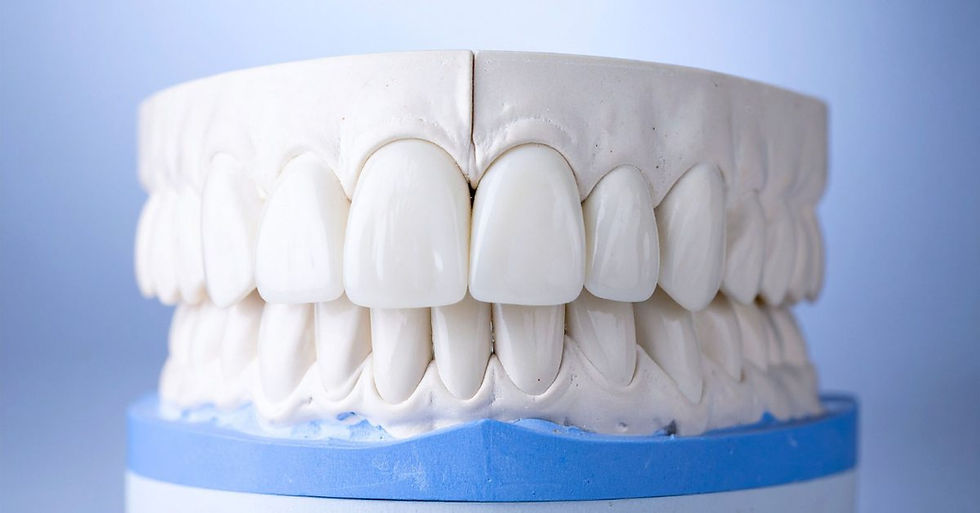
Veneers are ultra-thin shells, most commonly made from porcelain, that are custom-designed to fit over the front surface of your teeth. They are crafted in a dental laboratory to ensure a precise fit, natural translucency, and long-lasting finish.
Unlike composite bonding, veneers involve a more structured treatment process. A small amount of enamel is usually removed to prepare the teeth, which makes the procedure irreversible. However, this step allows veneers to sit flush with your natural teeth and deliver a highly polished, symmetrical result.
Veneers are often chosen by patients looking for a more dramatic and long-term smile transformation.
Composite Bonding vs Veneers
Procedure and Time Commitment
The treatment process is one of the most noticeable differences between composite bonding and veneers.
Composite bonding is typically completed in a single appointment. Your dentist applies and sculpts the material directly onto your teeth, meaning you can walk out with an improved smile the same day.
Veneers, on the other hand, require multiple visits. After an initial consultation and preparation appointment, your custom veneers are created in a lab before being fitted at a later date. While this takes more time, it allows for a highly tailored and refined result.
Appearance and Final Results
Both treatments can significantly enhance your smile, but the level of finish differs.
Composite bonding provides a natural-looking result that works well for minor corrections. However, it may not achieve the same level of translucency and brightness as porcelain.
Veneers are widely regarded as the gold standard in cosmetic dentistry. They mimic the way natural teeth reflect light and maintain their colour over time, making them ideal for patients seeking a flawless, long-lasting smile.
Durability and Longevity
When comparing composite bonding vs veneers, longevity is an important consideration.
Composite bonding typically lasts 5–7 years with proper care
Veneers can last 10–15 years or more
Veneers are more resistant to staining and wear
Bonding may require occasional touch-ups or repairs
While veneers last longer, bonding has the advantage of being easily repairable without replacing the entire restoration.
Cost Comparison
Cost often plays a key role in deciding between the two treatments. Composite bonding is generally more affordable upfront, making it accessible for patients who want noticeable improvements without a significant financial commitment.
Veneers involve a higher initial cost due to the materials used and the custom fabrication process. However, their durability means they may provide better long-term value.
Pros and Cons of Composite Bonding
Composite bonding is a popular choice for patients who want a fast and minimally invasive solution.
Advantages:
Completed in one visit
Lower cost compared to veneers
Minimal or no enamel removal
Can be easily repaired or adjusted
Disadvantages:
Shorter lifespan
More prone to staining over time
Less resistant to chipping and wear
Pros and Cons of Veneers
Veneers are ideal for patients seeking a premium, long-term result.
Advantages:
Long-lasting and durable
Highly aesthetic, natural appearance
Resistant to stains
Suitable for full smile transformations
Disadvantages:
Higher upfront cost
Requires enamel removal (irreversible)
Takes multiple appointments
Which Option Is Right for You?
Choosing between composite bonding and veneers ultimately depends on your personal goals and expectations.
If you’re looking for a quick, cost-effective way to fix small imperfections such as chips, gaps, or minor discolouration, composite bonding is often the best choice. It allows you to enhance your smile without making permanent changes to your teeth.
However, if you want a complete smile makeover with long-lasting, high-end results, veneers are typically the better option. They offer superior durability and aesthetics, making them ideal for more complex cosmetic concerns.
The best way to decide is through a professional consultation, where your dentist can assess your teeth and recommend the most suitable treatment.
Real-Life Treatment Scenarios
Different smile concerns call for different solutions, and understanding real-life applications can help clarify your decision.
Minor chips or uneven edges: Composite bonding is usually sufficient
Multiple cosmetic concerns: Veneers provide a more comprehensive solution
Deep staining that won’t whiten: Veneers offer better long-term colour stability
First-time cosmetic treatment: Bonding is a more conservative starting point
Each case is unique, which is why a tailored treatment plan is essential.

Maintenance and Aftercare
Maintaining your results is key, regardless of which treatment you choose. Good oral hygiene habits will help prolong the lifespan of both bonding and veneers. Brushing twice daily, flossing, and attending regular dental check-ups are essential.
For composite bonding, it’s particularly important to be mindful of staining foods and drinks such as coffee, tea, and red wine. Veneers are more resistant to staining, but still benefit from proper care.
Why Choose The Dental Suite for Cosmetic Dentistry?
At The Dental Suite, we focus on delivering natural-looking results tailored to each patient. Our approach combines clinical expertise with a strong emphasis on aesthetics, ensuring your smile complements your overall appearance.
We offer both composite bonding and veneers, allowing us to recommend the most appropriate treatment based on your individual needs rather than a one-size-fits-all solution.
From your initial consultation to your final results, our team is dedicated to making your experience comfortable, informative, and rewarding.
Final Verdict: Composite Bonding vs Veneers
When comparing composite bonding vs veneers, the right choice depends on what you value most.
Composite bonding is ideal for patients who want a quick, affordable, and reversible solution for minor imperfections. Veneers, on the other hand, are better suited for those seeking a long-term investment in a flawless, high-impact smile.
Both treatments have their place in modern cosmetic dentistry, and choosing the right one can make a significant difference in your confidence and overall appearance.


Comments